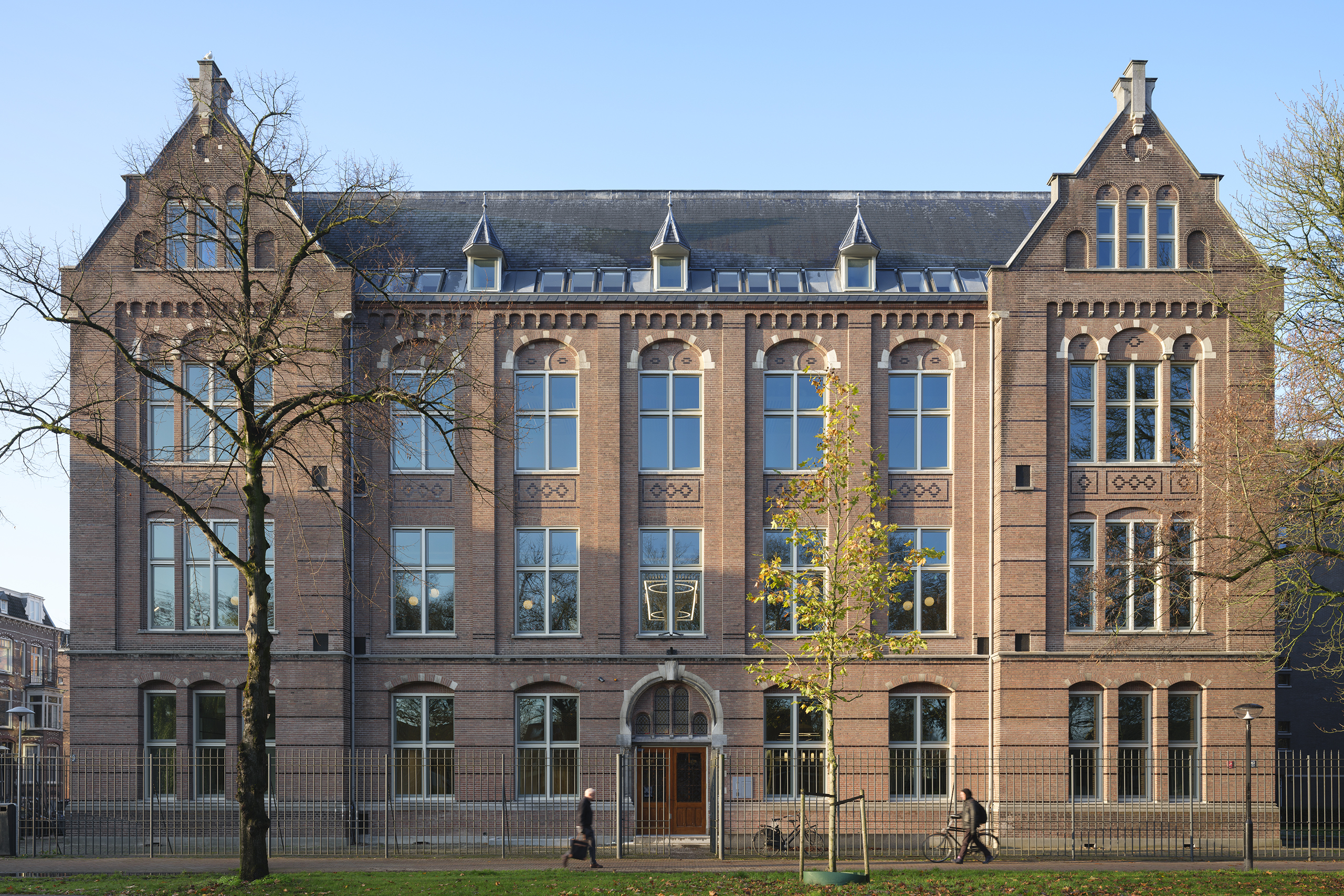
Former 1903 school building transformed into training institute SSR
The former secondary school building on the Catharijnesingel in Utrecht has been transformed by DP6, i29 and their design team, commissioned by the Central Government Real Estate Agency. It now houses SSR, the training institute for the Judiciary and the Public Prosecution Service. The stately building has been carefully restored and made more sustainable, allowing its original qualities to shine once again. A new time-layer has also been added, connecting with the existing architecture while aligning with the identity and ambitions of the training institute.
Rich history and symmetrical layout
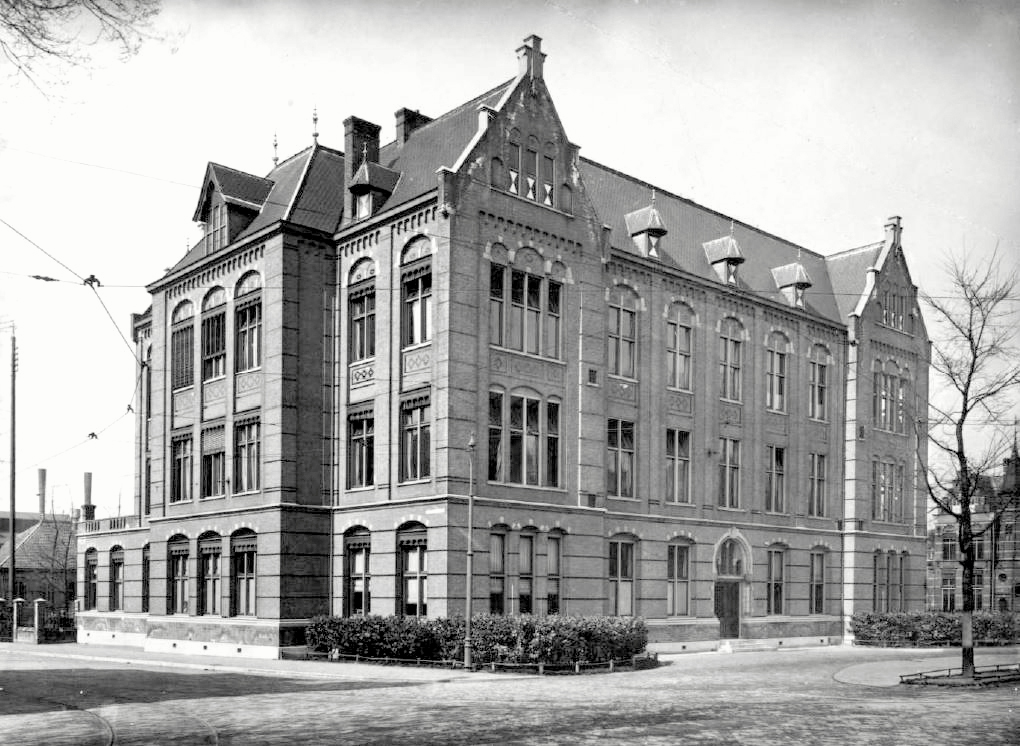
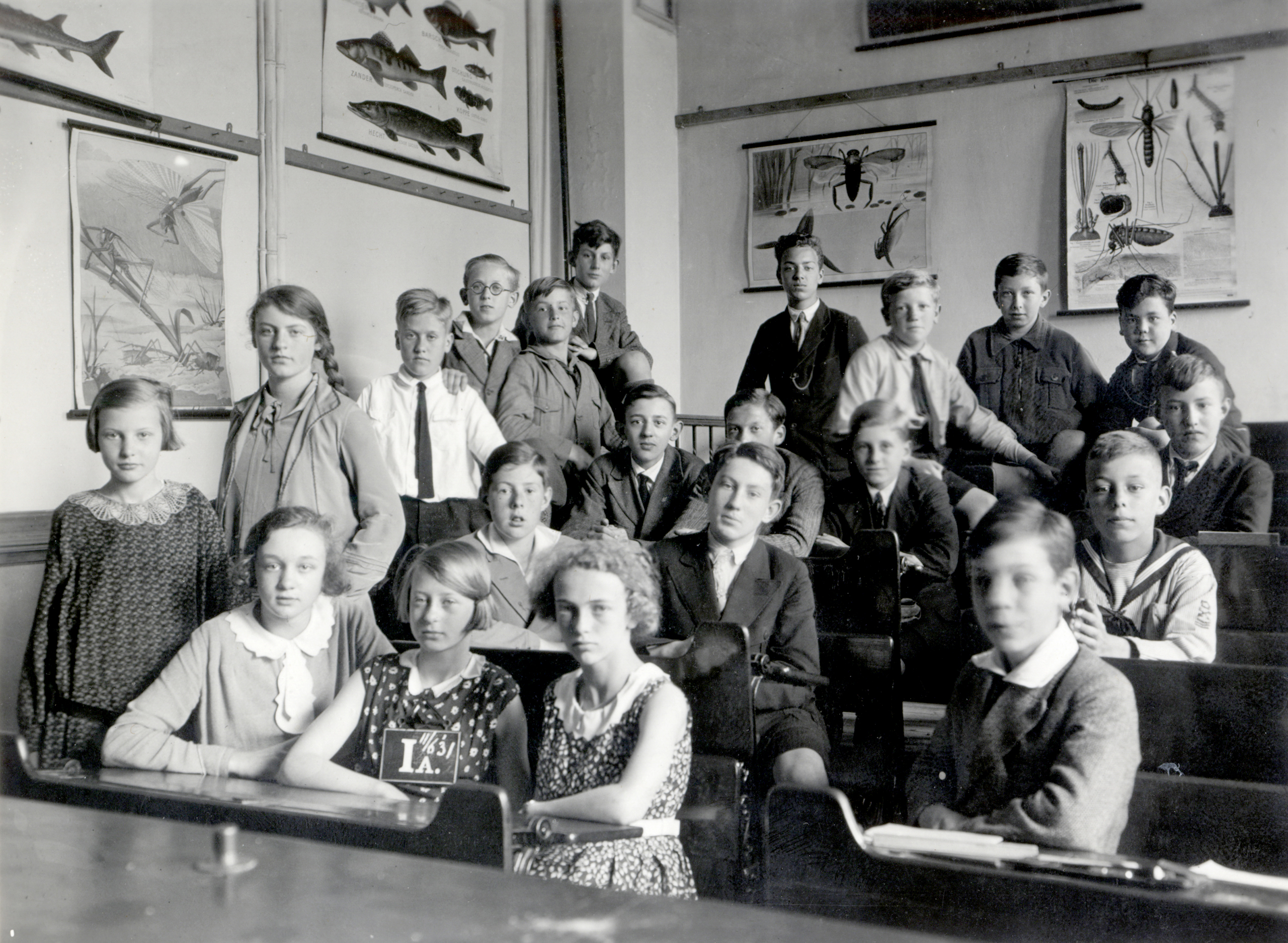
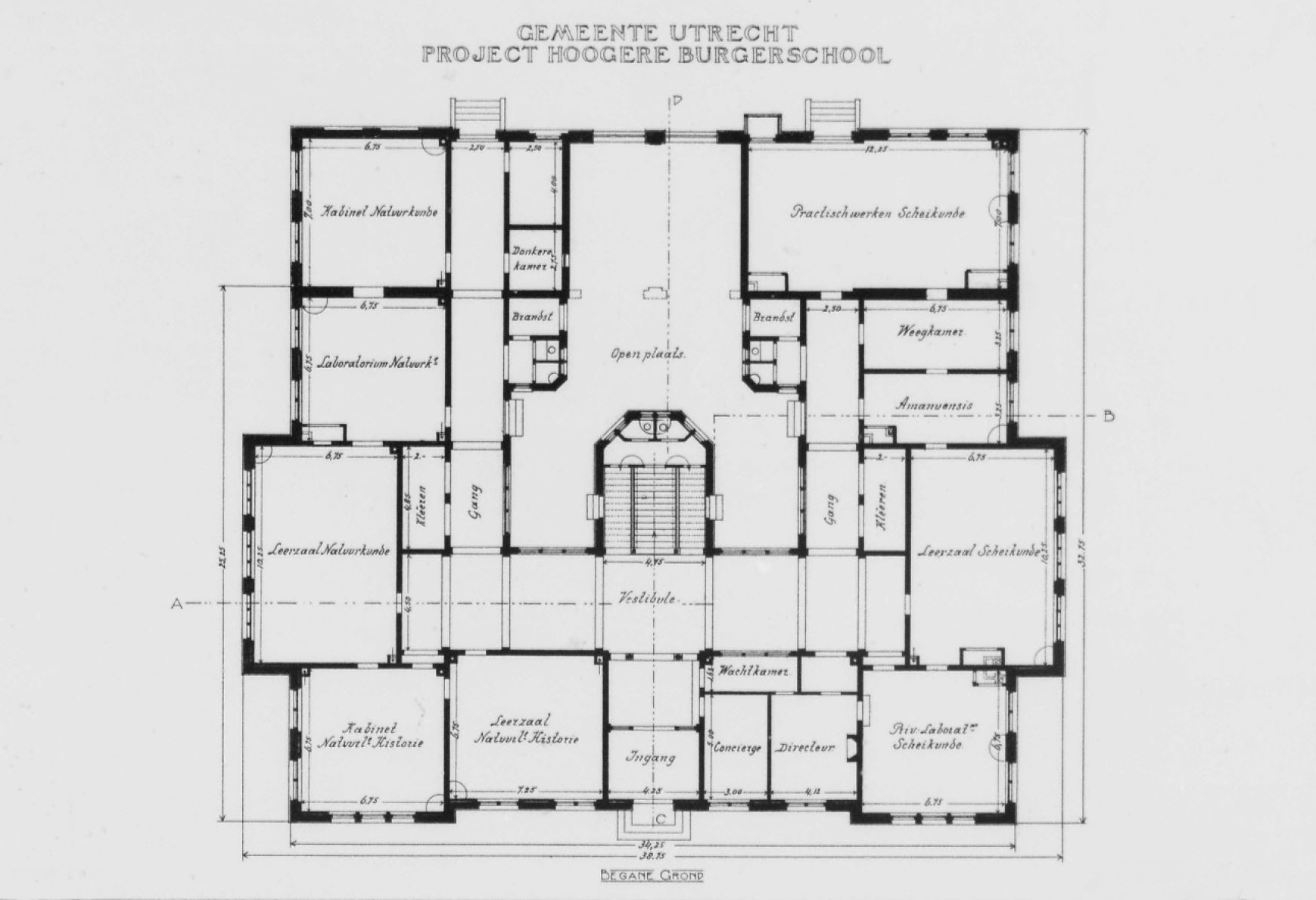
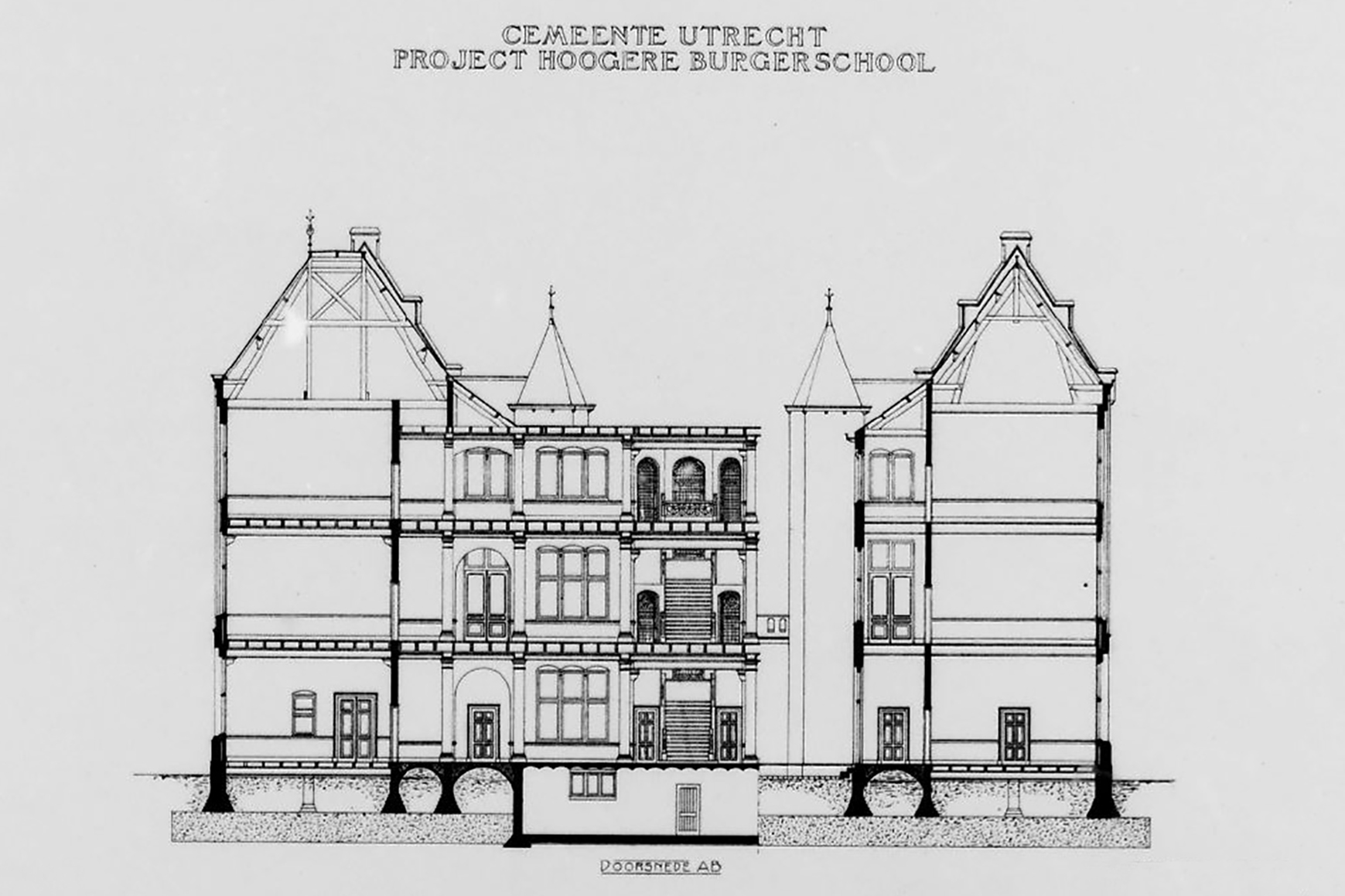
Building H was constructed in 1903 on the Catharijnesingel as a municipal secondary school, designed by architect F. J. Nieuwenhuis. It was a stately building with a symmetrical U shaped floor plan, long sightlines, and a great sense of spaciousness.
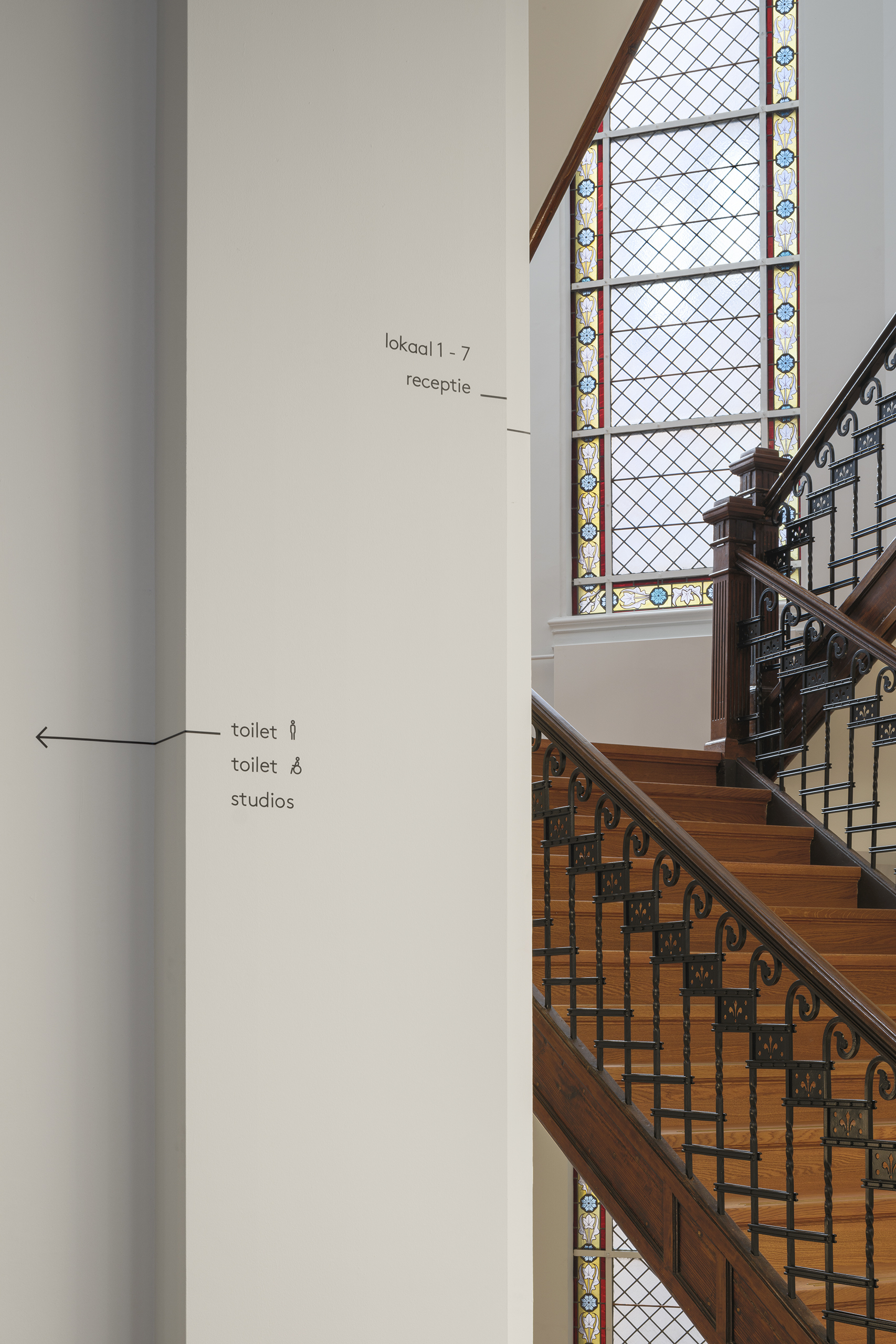
Until around 1995, the school building served as an educational building. It was then converted into office space belonging to the newly constructed Utrecht Courthouse, which gave the building its current name: Building H. Continuous corridors were enclosed to create office spaces, sight-lines disappeared and suspended ceilings were added. The original entrance and staircase consequently lost much of their function.
Clear structure restored
DP6 and i29 created a design that brings the clear structure of the historic building to the forefront once again, while adding a new layer that reflects SSR’s identity: a familiar, creative and inviting learning and working environment where course participants, teachers and staff feel at home.
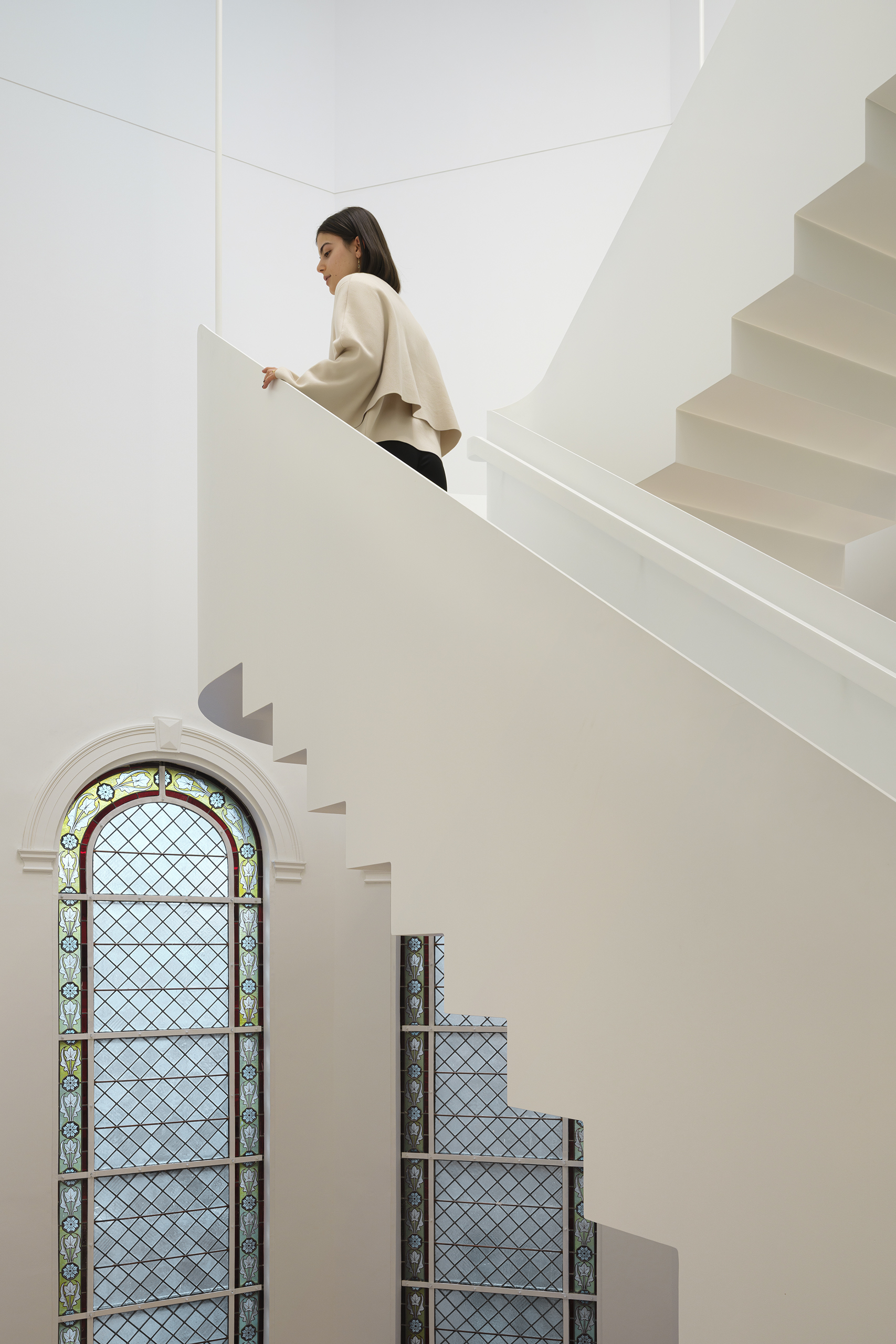
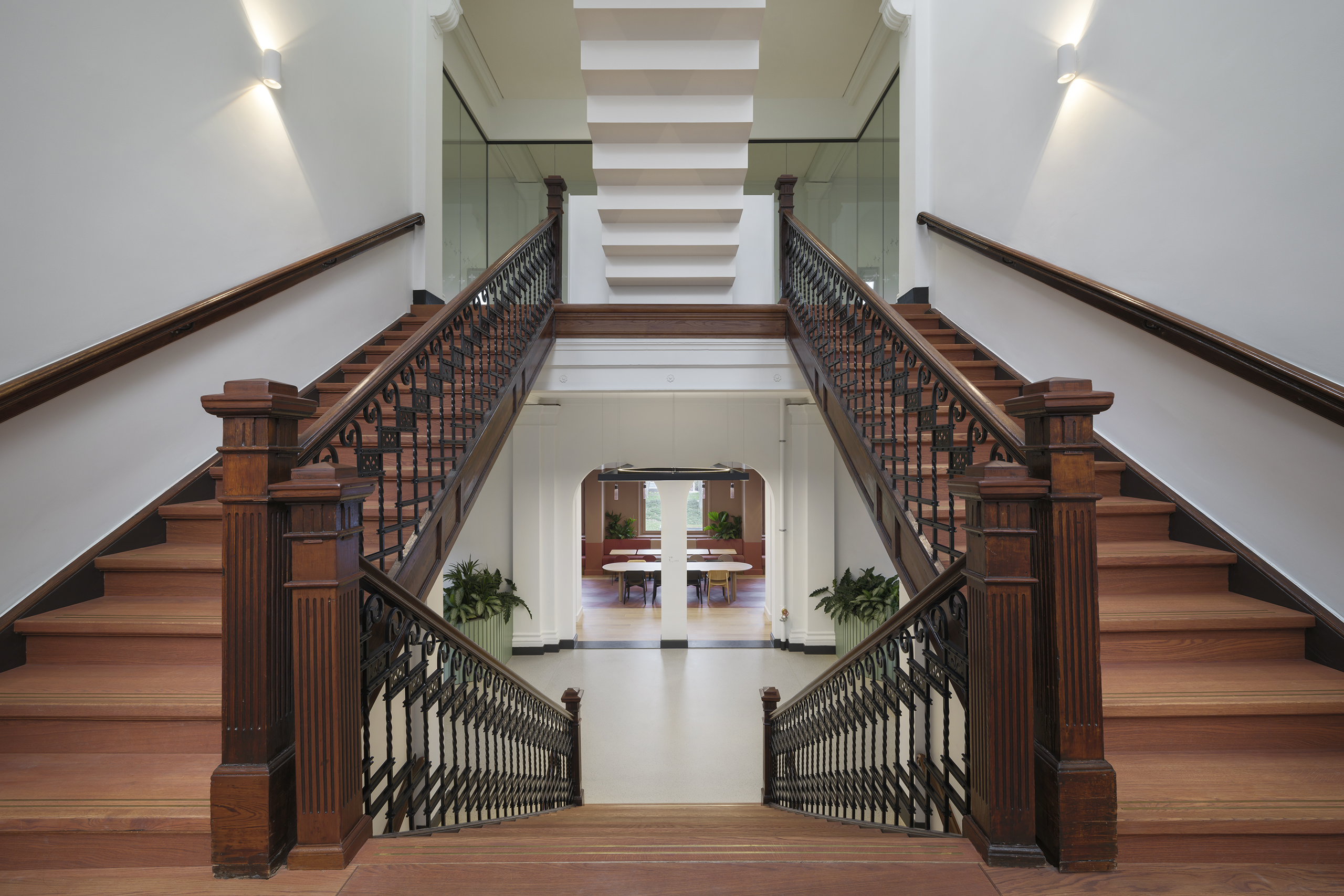
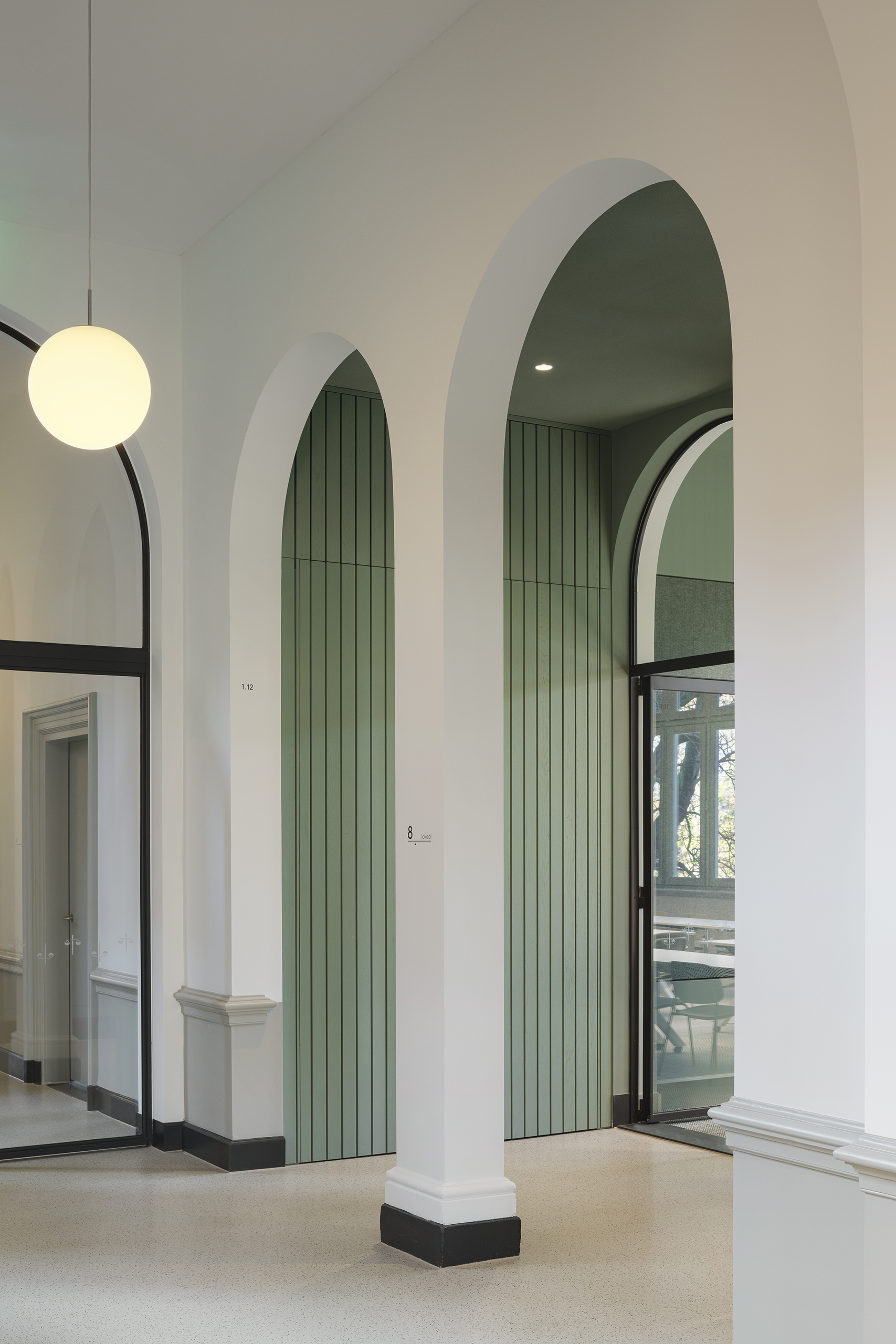
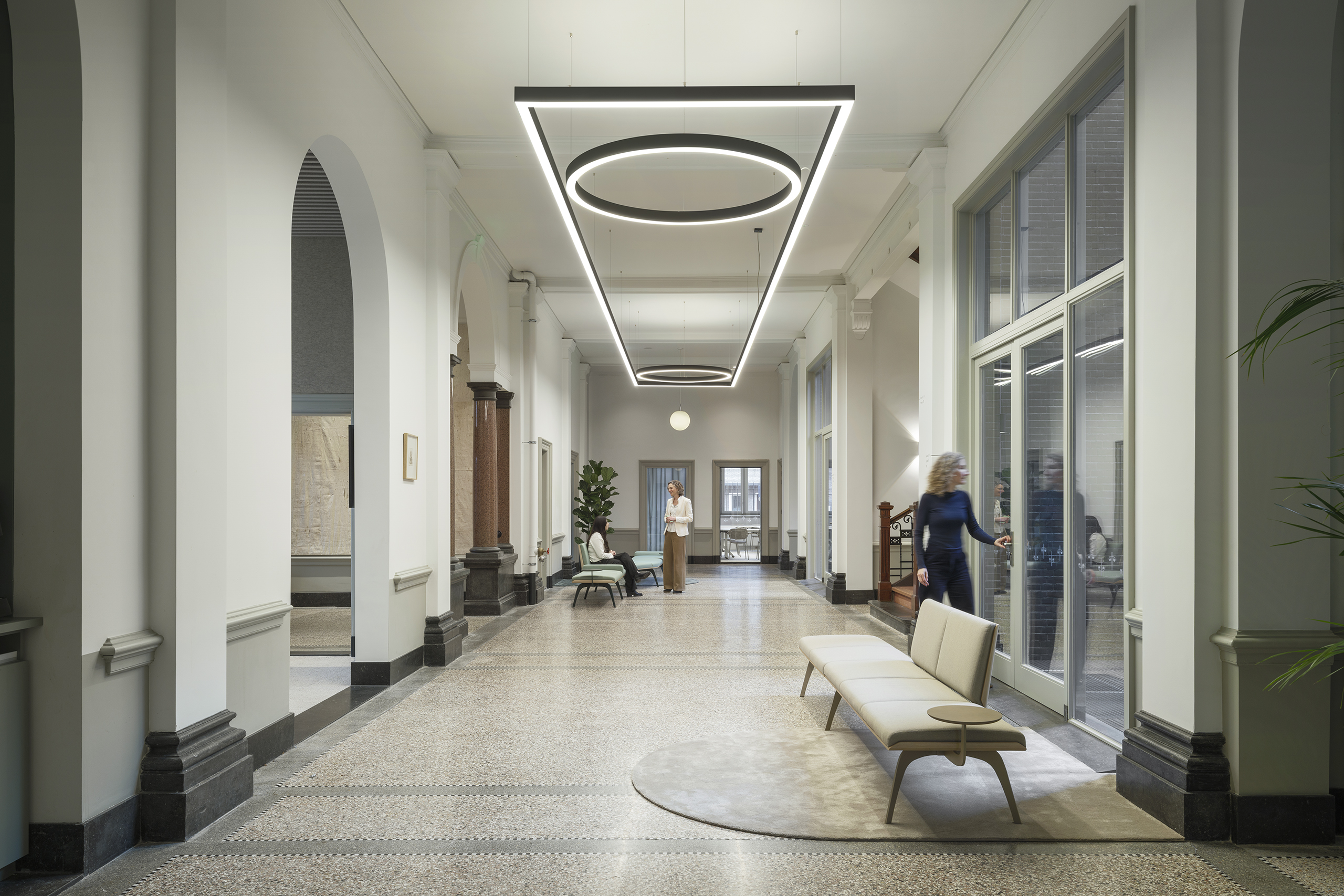
Walls added over the decades, fire separations in the entrance hall, suspended ceilings and other clutter have been removed. The clear symmetrical structure, lofty ceilings and stately spatiality of 1903 are once again perceptible, and the craftsmanship in the detailing has been made visible. Strategic openings have been created to add transparency and sight-lines, enhancing spatial connectivity and daylight penetration. The green inner garden has also been made accessible from the hall—an oasis at the heart of the building where the concept of meeting and learning from one another continues outdoors.
Balance
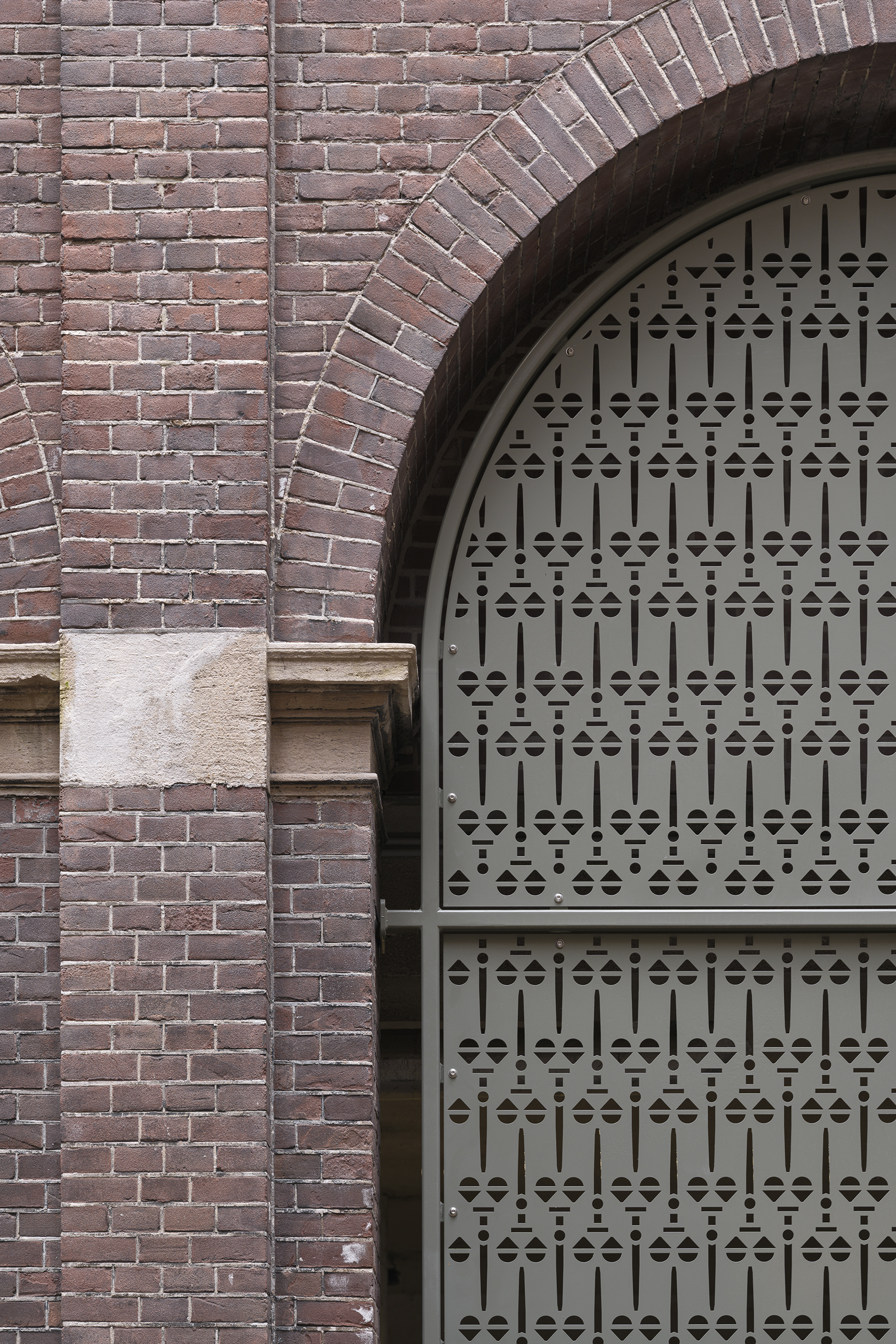
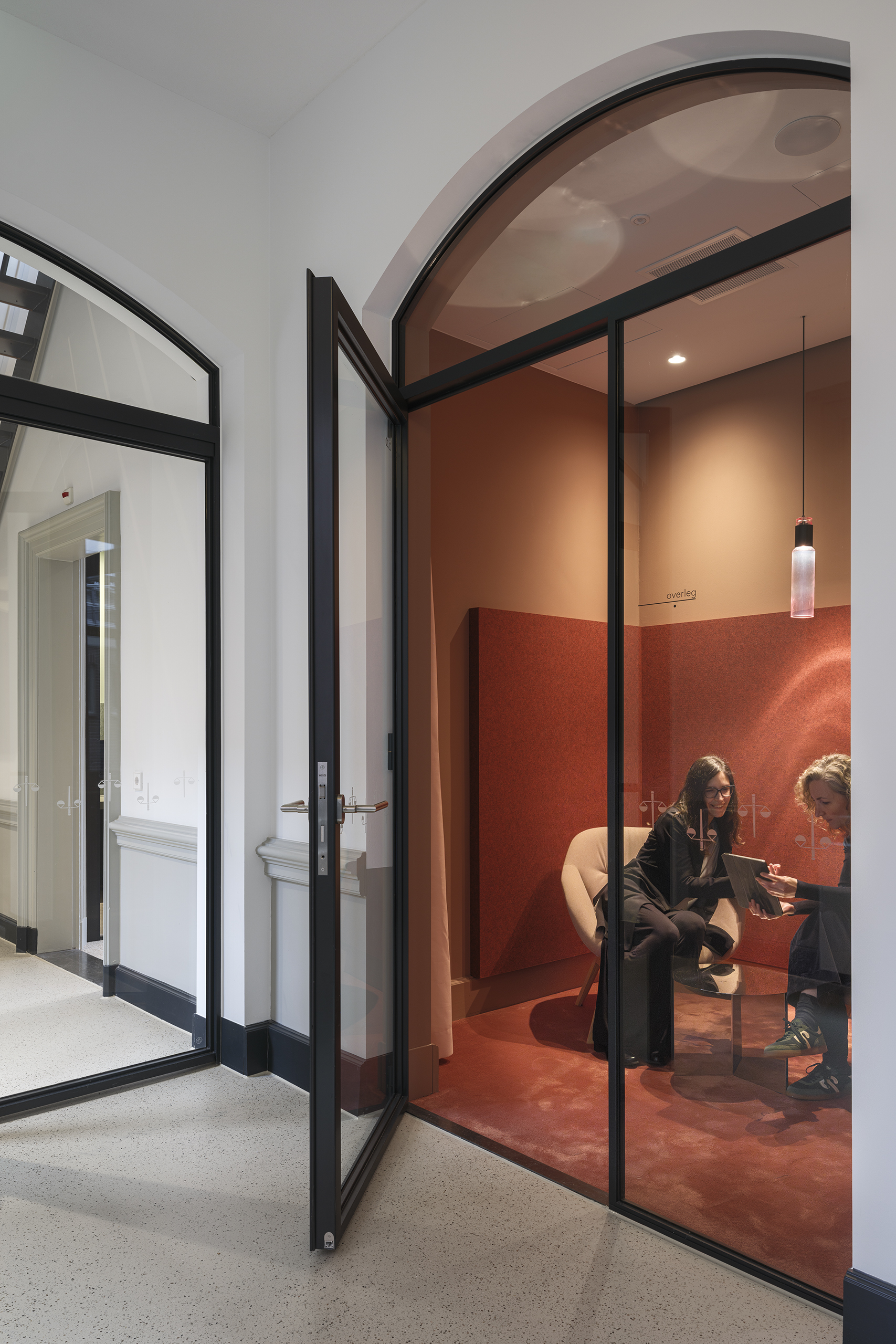
The key principle in the design of the new elements is balance: between old and new, between stateliness and homeliness, between round and square forms, between soft and hard materials, between transparency and a sense of security. Balance also refers to the scales of Lady Justice, symbolising the weighing of arguments, evidence and testimonies—and thus the foundation of the judicial system.
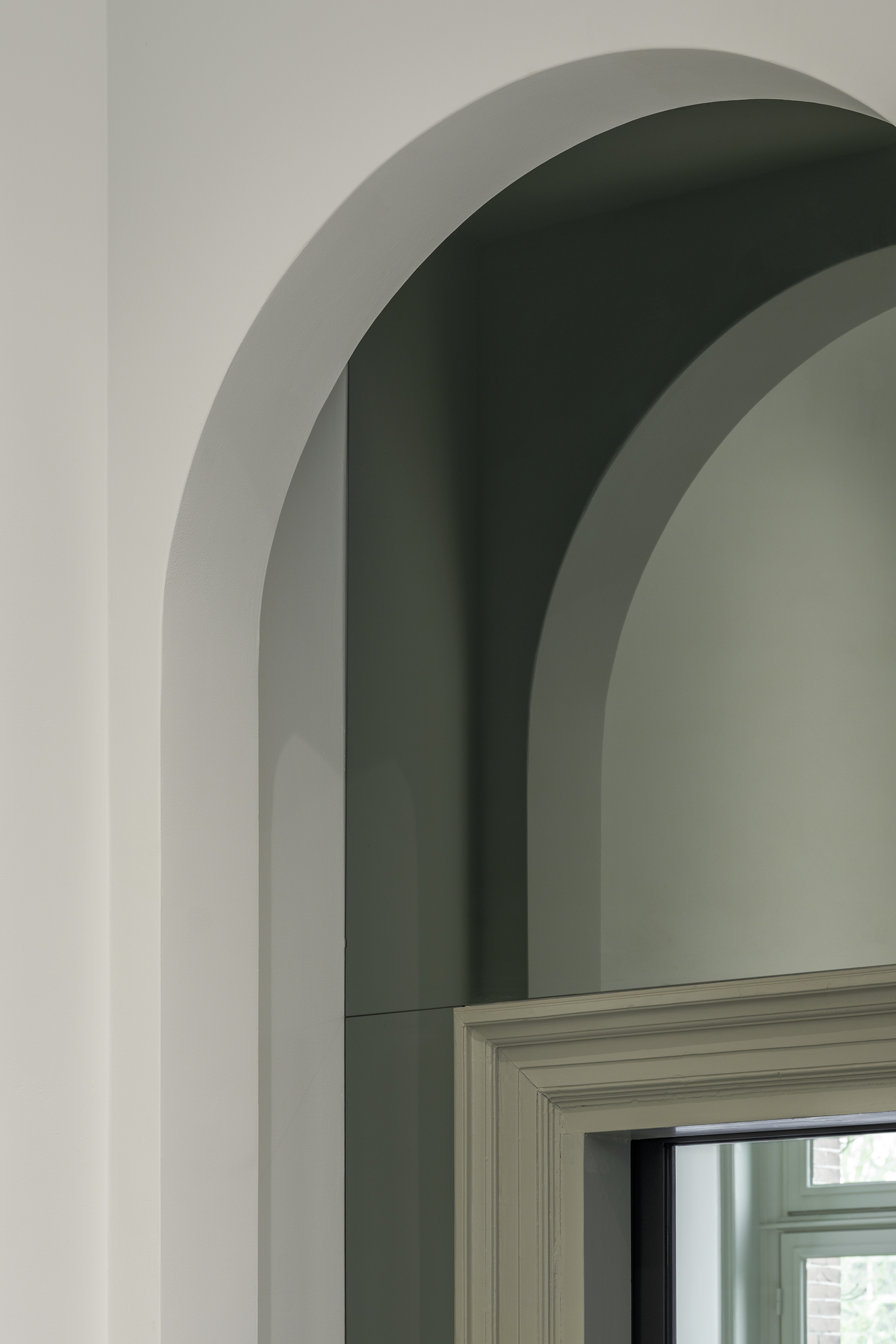
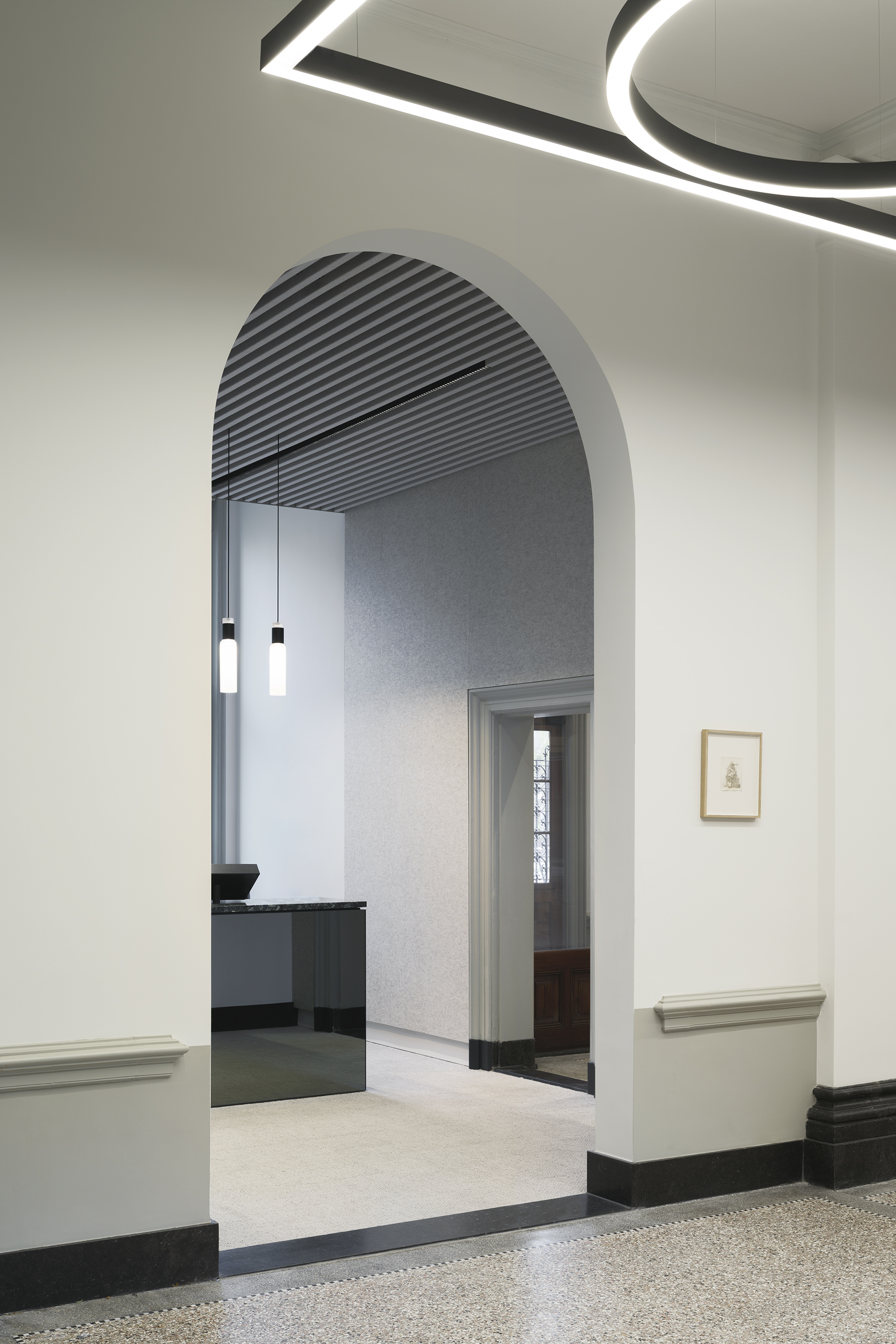
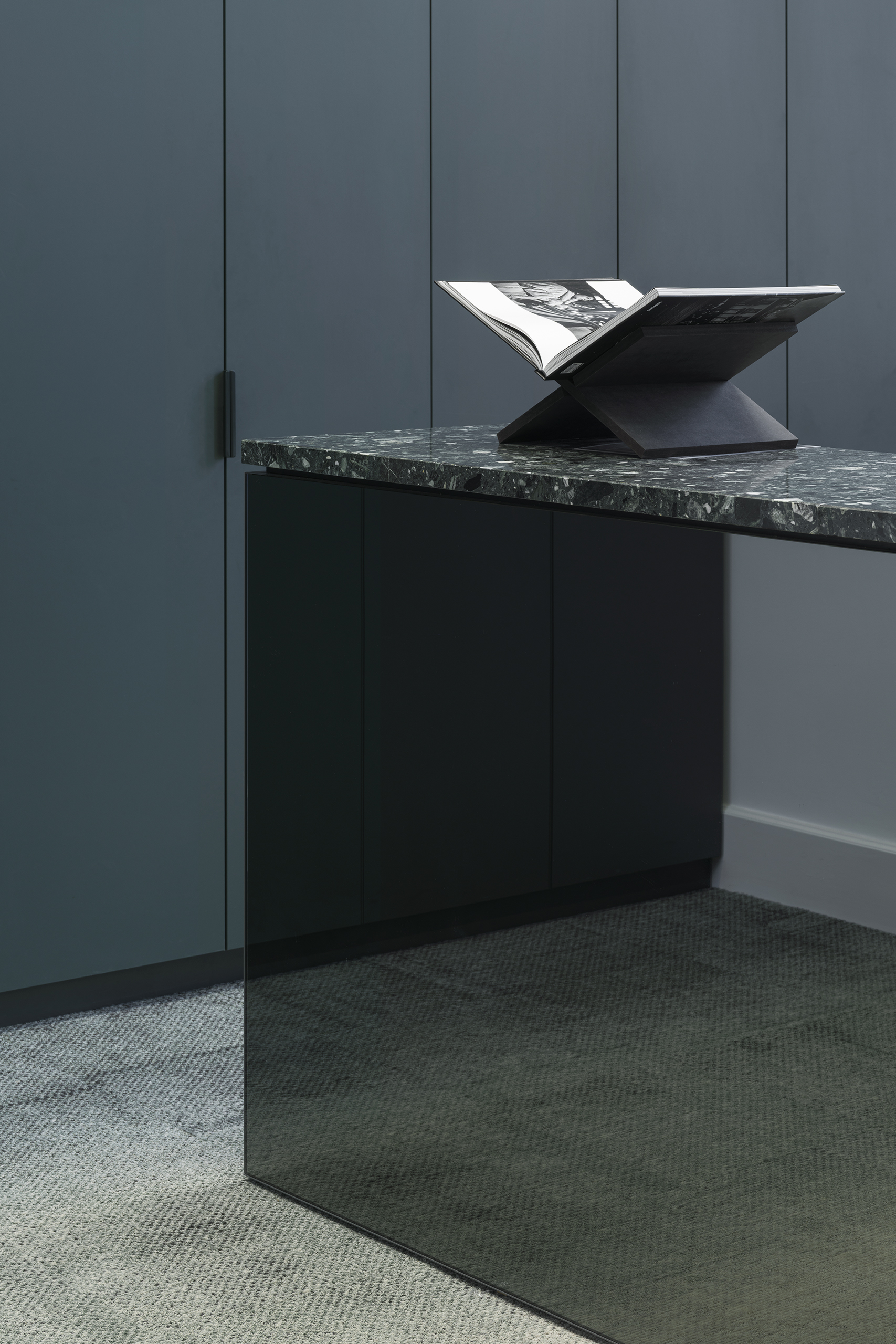
Through consistent, carefully considered choices in materials, colour palette and detailing, a unified overall impression has been created—one that radiates high quality. The original terrazzo corridor floors on the ground floor have been restored, and the same vestibule atmosphere has been recreated on the upper floors through a new trowel-finished floor with an elegant lined texture. New dark-steel interior frames contrast with the old, preserving the legibility of the original openings. Soft materials in uniformly designed ceiling islands ensure pleasant acoustics, and new lighting objects connect the various spaces.
Meeting and interaction
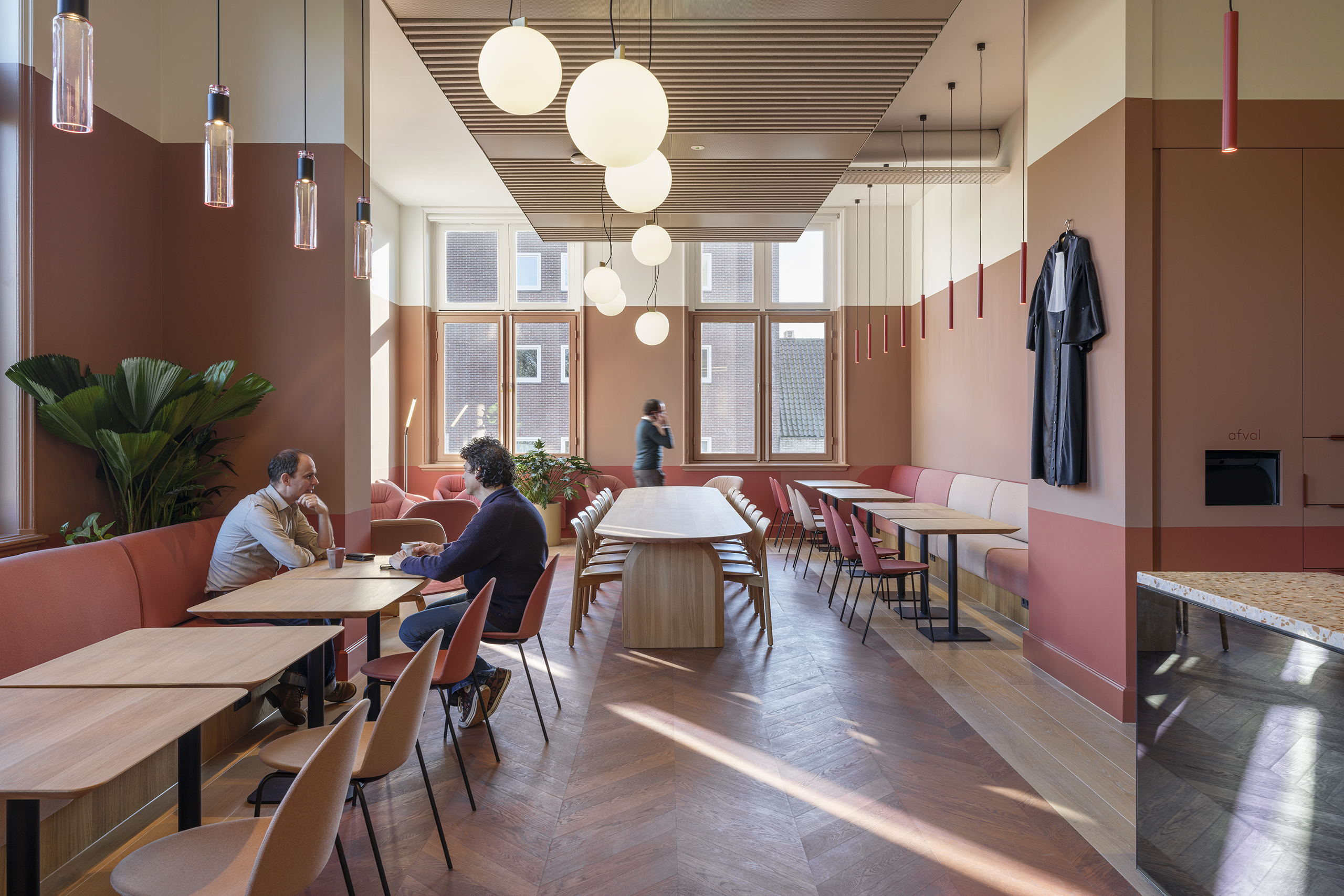
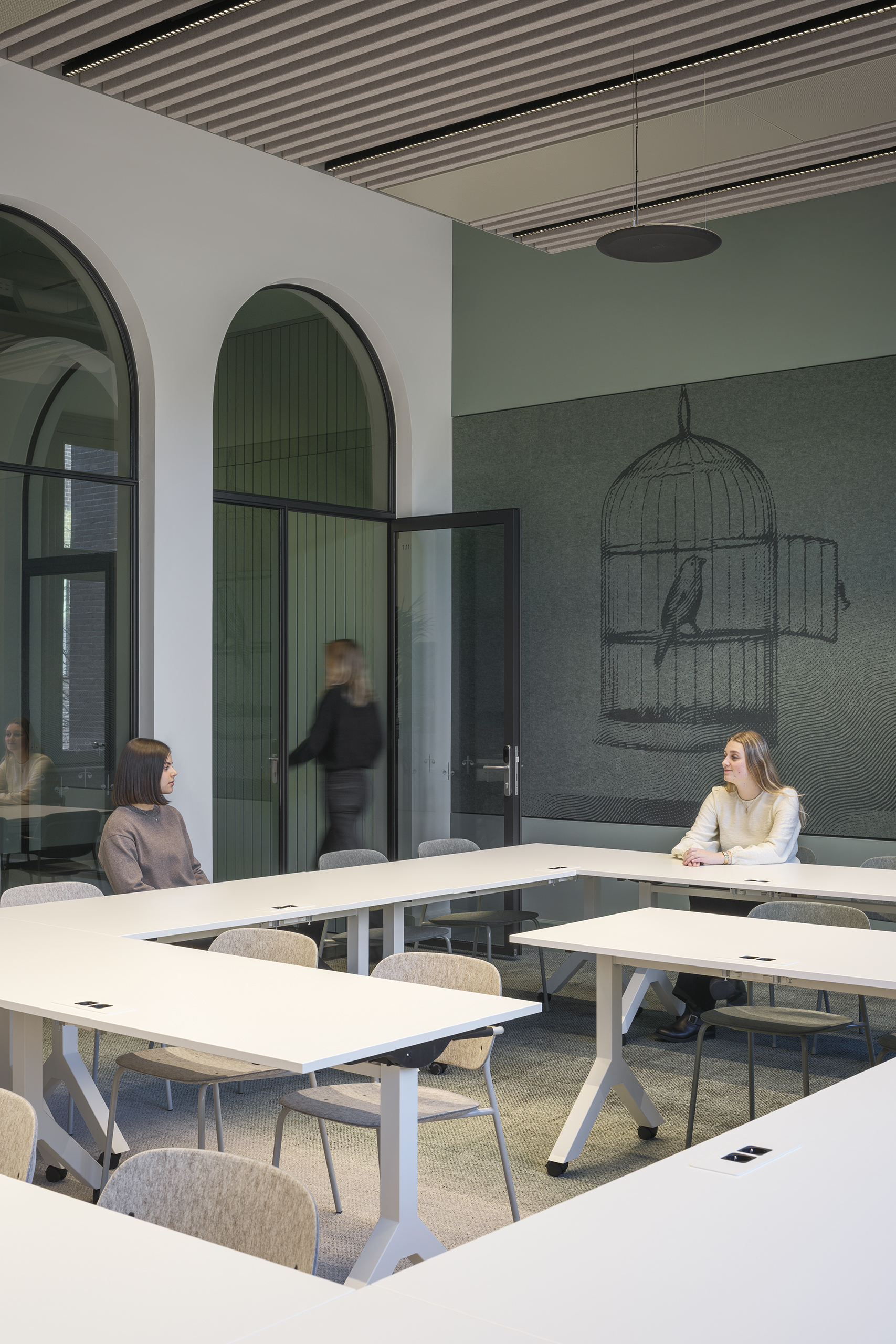
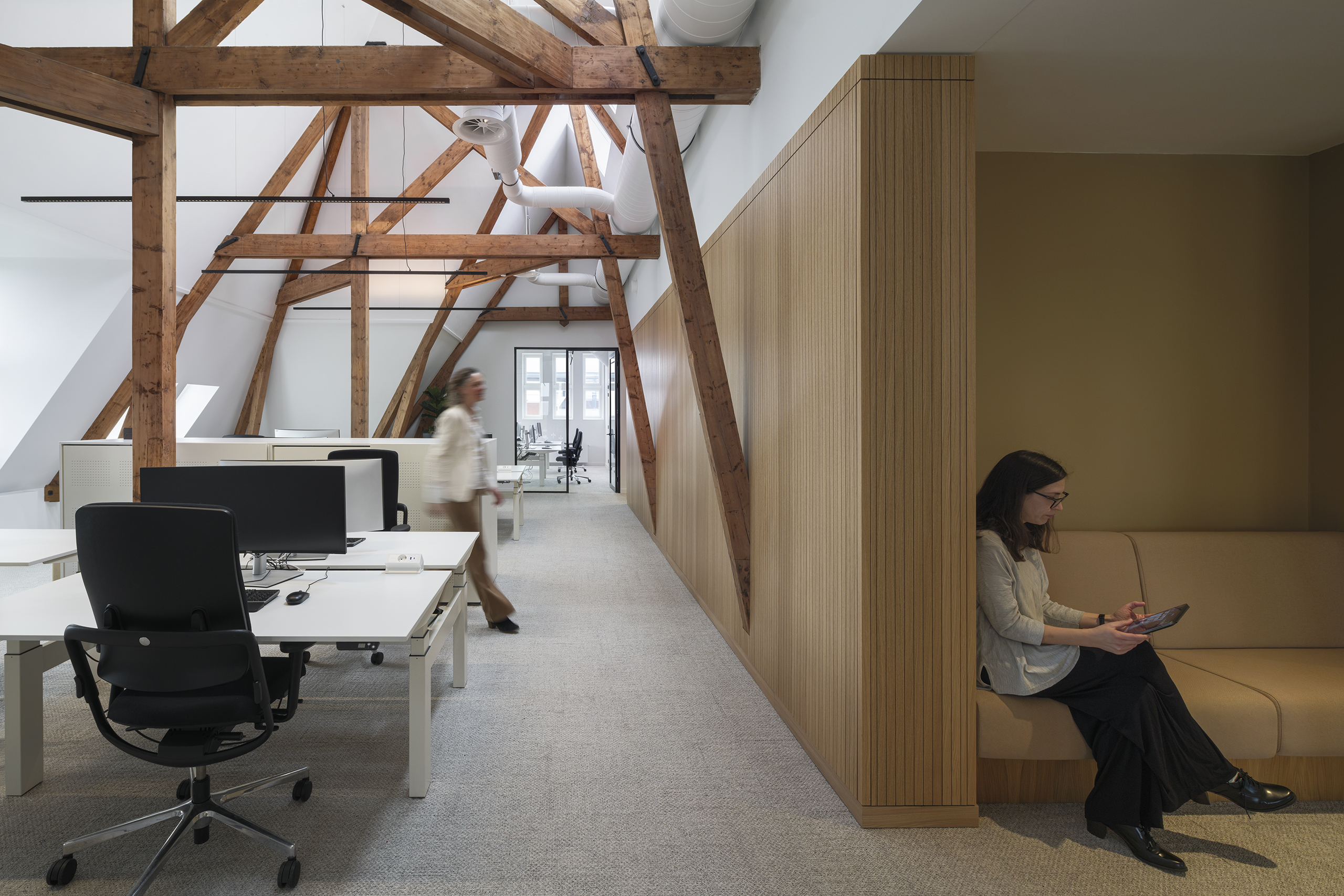
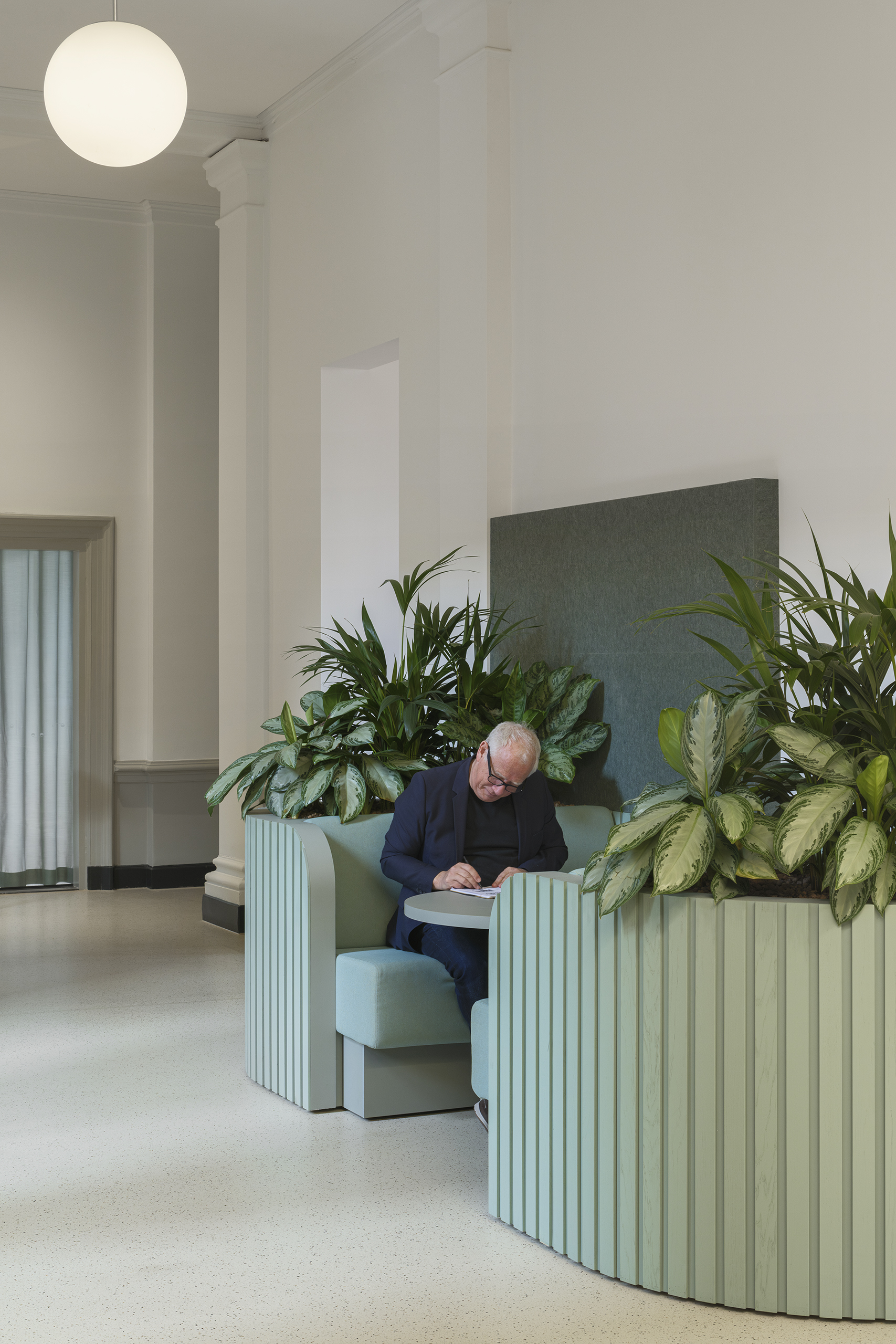
Throughout the building, various meeting places have been designed to facilitate interaction and collaboration. Course participants are welcomed in the vestibule, which has been restored to its original state: alongside a prominent service desk, comfortable seating areas offer views of the green inner garden and the monumental staircase. On the first floor, participants and teachers come together in the social hub, which offers a diversity of places to interact, learn, work or relax. The lower two floors contain classrooms and audio-visual studios. The top two floors have been designed as a contemporary, open working environment for SSR.
-
Date
2021 - 2025 -
Surface (GFA)
4.000 m² -
Client
Rijksvastgoedbedrijf, Den Haag -
Consultants
Pieters, Delft
Nelissen ingenieursbureau, Eindhoven
HI-Plus Bouwadvies, Rotterdam
Bureau Vlaardingerbroek, Utrecht -
Execution
J.P. van Eesteren, Gouda -
Photography
Stijn Poelstra -
Address
Catharijnesingel 63, Utrecht

Construction photos:
Michel Kievits